Our Approach
The objective of care is not short-term symptom suppression, but the restoration of system regulation, resilience, and functional confidence. By addressing the mechanisms that maintain pain and performance limitation, individuals are supported toward meaningful and sustainable recovery.
-
Persistent pain and reduced physical capacity are rarely attributable to a single injured tissue or isolated structural finding.
Contemporary pain science recognises pain as an emergent process arising from the interaction of multiple biological and psychosocial systems. These include nervous system processing, musculoskeletal function, autonomic regulation, sleep and circadian physiology, stress response, and lived experience.
At Ivins Pain & Performance Clinic, assessment and care are grounded in this integrated understanding. The focus is on identifying why symptoms persist, rather than concentrating solely on where they are felt.
-
Many individuals presenting with persistent pain have already pursued interventions directed at isolated body regions or imaging findings, often with limited or short-lived benefit.
While tissue health remains relevant, pain persistence is commonly maintained by nervous system sensitisation, altered autonomic regulation, impaired load tolerance and movement efficiency, disrupted sleep and recovery physiology, and heightened threat processing within the stress response.
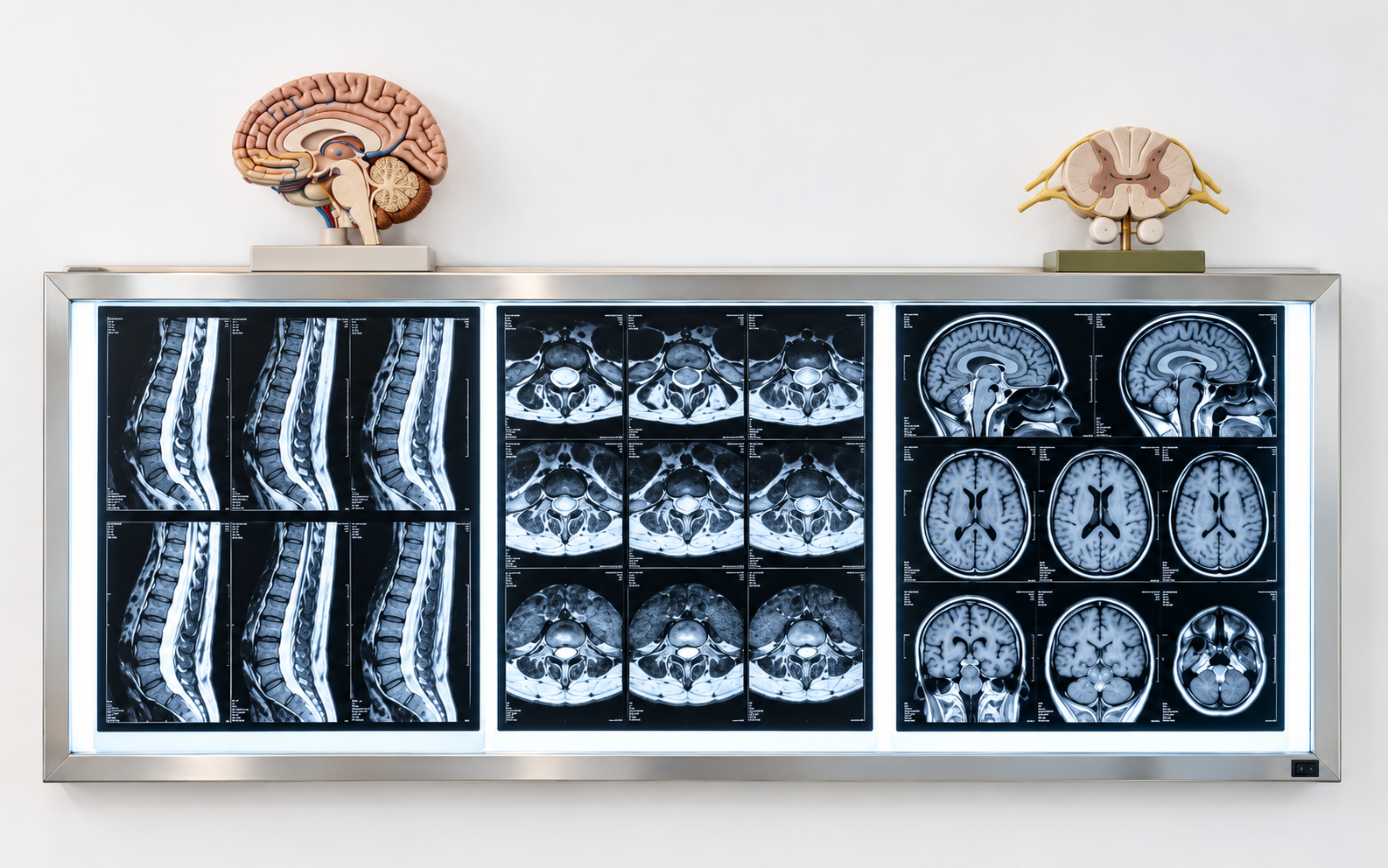
When these regulatory systems remain dysregulated, symptoms may persist even in the absence of ongoing tissue injury or abnormal imaging findings.
-
Care begins with an extended initial assessment designed to understand the full clinical picture rather than a single diagnostic label.
This process considers pain mechanisms and sensitisation features, movement patterns and biomechanical efficiency, autonomic nervous system function, sleep quality and circadian disruption, stress physiology and recovery capacity, as well as relevant imaging, medical history, and prior care.
Such assessment allows clinical reasoning to extend beyond symptom classification toward identification of the mechanisms most relevant to each individual presentation.
-
Following your assessment, you may request a personalised Clinical Summary Report. This document provides a clear explanation of your assessment findings, the biological systems contributing to your presentation, the rationale for recommended investigations, and your individual management plan.
Many patients find these reports valuable because they provide a written reference after the consultation, explain complex health information in accessible language, assist discussions with family members and other healthcare practitioners, and support a clearer understanding of treatment goals and expected progression.
Each report is prepared individually following review of your assessment and clinical findings. Reports are available upon request, with fees reflecting the professional time required for preparation.
-
Findings from the assessment are integrated into a tailored management plan addressing the contributing drivers of pain and functional limitation.
Rather than standardised protocols, care is guided by contemporary pain science, neurophysiological principles, graded exposure and load optimisation, autonomic regulation strategies, and recovery- and sleep-supportive interventions.
Management is adapted over time in response to clinical progress and functional outcomes.
-
Care is delivered within a contemporary, interdisciplinary framework.
Where appropriate, management is coordinated alongside general practitioners, medical specialists, and allied health providers to support safe, integrated care. Clear communication and evidence-based reasoning underpin all clinical decision-making.