
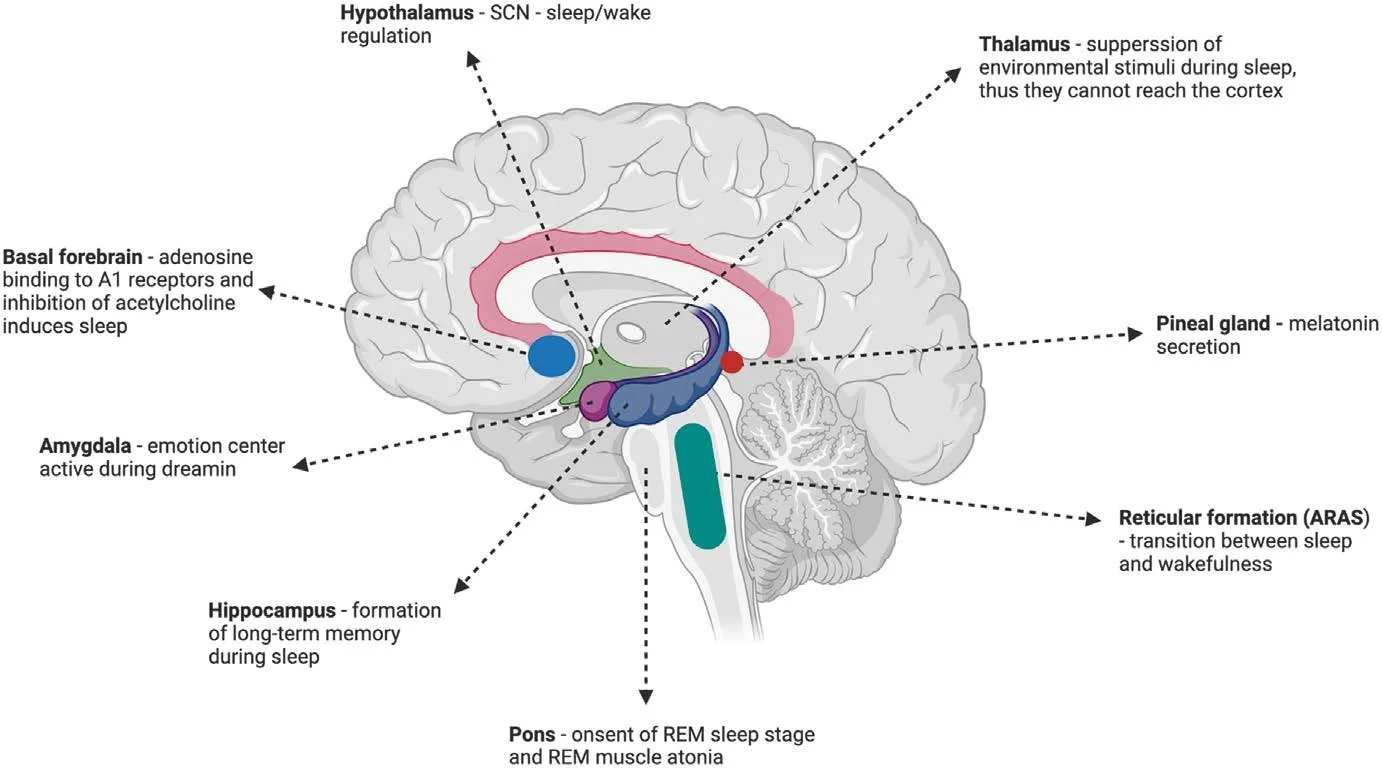
Sleep, Recovery and the Nervous System
Pain can interfere with sleep, while disturbed sleep can subsequently influence pain sensitivity and the mechanisms through which the nervous system regulates nociceptive information (Finan et al., 2013; Runge et al., 2024). A systematic review and meta-analysis incorporating 16 articles from 11 study populations and 116,746 participants found that pre-existing sleep problems were associated with an increased risk of developing chronic musculoskeletal pain in both shorter- and longer-term follow-up. Chronic musculoskeletal pain also appeared to increase the subsequent likelihood of sleep problems over shorter periods, although the evidence supporting the reverse direction was less certain (Runge et al., 2024).
Why Understanding Comes Before Treatment
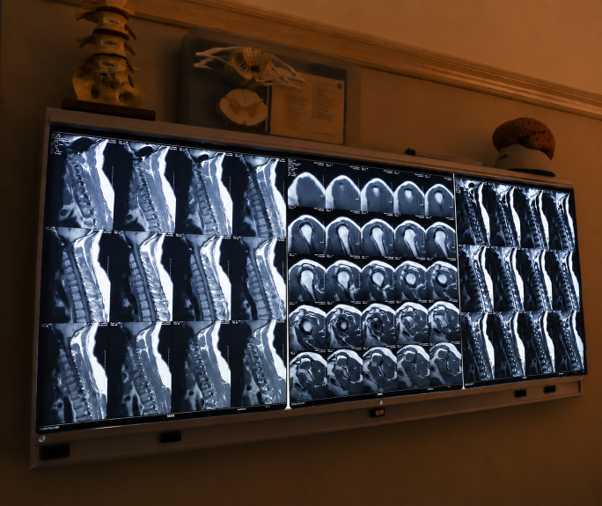
Over many years of clinical practice, I have found that persistent pain, autonomic dysfunction, movement limitation, recurrent injury, and complex health presentations rarely arise from a single cause. Meaningful healthcare requires far more than identifying where symptoms are experienced. It requires a thorough understanding of the biological, neurological, mechanical, inflammatory, and behavioural factors contributing to a patient's presentation, together with the mechanisms that may be maintaining it.
For this reason, I have developed a structured new patient pathway that provides dedicated time for comprehensive assessment, careful clinical analysis, patient education, and the commencement of individualised treatment.
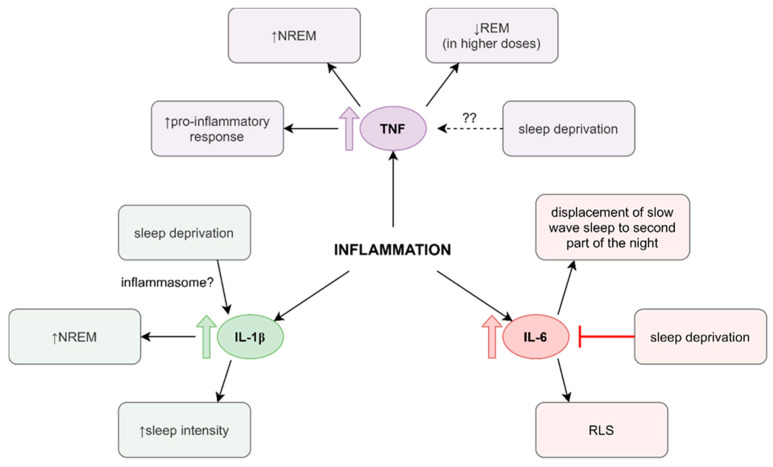
The Hidden Relationship Between Sleep, Inflammation, and Persistent Pain
Modern pain science increasingly recognises sleep as more than a passive period of rest. Sleep represents an active biological process involved in nervous system regulation, tissue repair, immune modulation, and maintenance of physiological resilience.
Consequently, effective long-term pain management may require consideration of sleep quality alongside other contributing factors, including physical activity, stress physiology, autonomic regulation, metabolic health, and broader lifestyle influences.
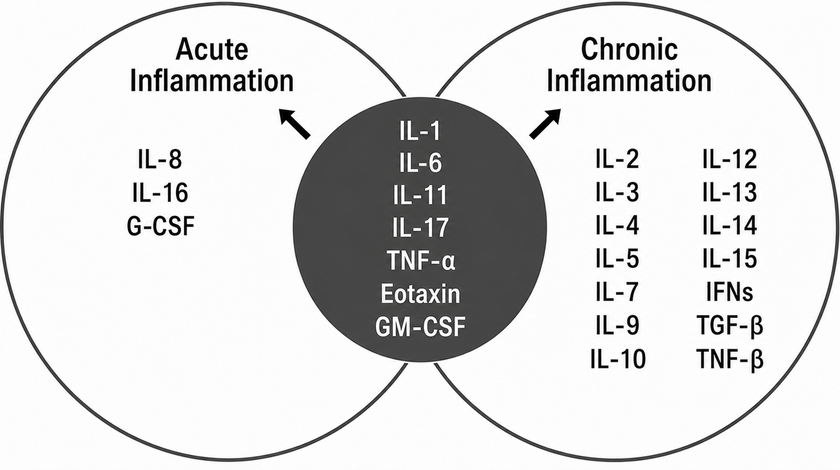
Why Inflammation Does Not Always Show Up on Standard Blood Tests
Contemporary research has demonstrated that persistent pain can involve complex interactions between the nervous system and immune system, including altered cytokine signalling, glial cell activation, and dysregulated inflammatory responses (Ji et al., 2016). These processes may contribute to heightened nervous system sensitivity without producing abnormalities on routine pathology screening.

Why Pain Can Persist Even After Tissues Have Healed
Pain is generated by the nervous system as a protective output. When pain becomes persistent, it is frequently associated with neuroplastic changes in how the brain and spinal cord process sensory information rather than with ongoing tissue injury.