
Why Understanding Comes Before Treatment
At Ivins Pain & Performance Clinic, I believe that effective treatment begins with understanding.
Over many years of clinical practice, I have found that persistent pain, autonomic dysfunction, movement limitation, recurrent injury, and complex health presentations rarely arise from a single cause. Meaningful healthcare requires far more than identifying where symptoms are experienced. It requires a thorough understanding of the biological, neurological, mechanical, inflammatory, and behavioural factors contributing to a patient's presentation, together with the mechanisms that may be maintaining it.
For this reason, I have developed a structured new patient pathway that provides dedicated time for comprehensive assessment, careful clinical analysis, patient education, and the commencement of individualised treatment.
Rather than relying upon immediate conclusions or symptom-focused management, my objective is to ensure that every treatment recommendation is informed by the most complete understanding of the individual sitting in front of me.
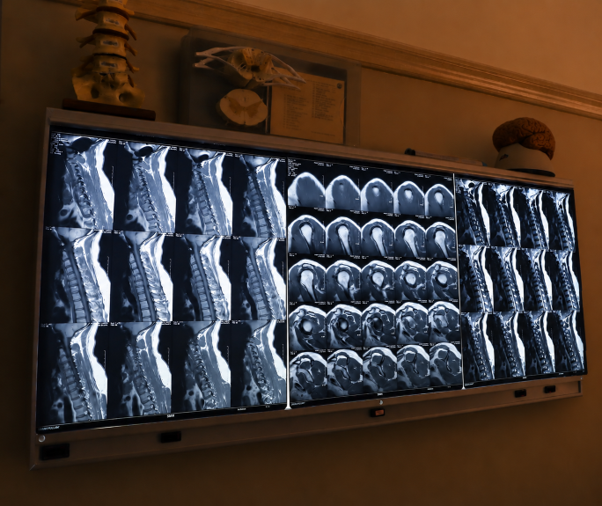
The Initial Consultation: Tuesday Afternoon Assessment Sessions
New patient consultations are primarily conducted during dedicated Tuesday afternoon assessment sessions.
The purpose of this appointment is to develop a detailed understanding of your presentation. I obtain a comprehensive history, review previous investigations and treatments, and perform an appropriate clinical examination tailored to your individual circumstances.
Where clinically indicated, I may recommend additional investigations. I also encourage patients to gather any information that may contribute to the assessment process, including imaging reports, pathology results, specialist correspondence, referral documentation, and records from previous healthcare providers.
The objective of the initial consultation is not simply to identify where symptoms are experienced. It is to begin constructing a comprehensive clinical picture that explains why those symptoms may have developed and what factors may be contributing to their persistence.
Gathering the Complete Clinical Picture
Following the assessment, patients return on the Thursday morning of the following week for a dedicated Report of Findings consultation.
This interval is entirely intentional.
It provides patients with sufficient time to obtain imaging reports, pathology results, specialist correspondence, and any additional information that may assist the assessment process. Equally importantly, it provides me with dedicated time to carefully review and integrate all available clinical information.
Rather than formulating treatment recommendations immediately following the assessment, I deliberately analyse examination findings alongside imaging, pathology, previous medical history, specialist reports, and the broader clinical presentation.
This process allows me to move beyond simply identifying symptoms and instead develop a more comprehensive understanding of the mechanisms contributing to the presentation.
My objective is not merely to establish a diagnosis. It is to understand the factors contributing to your symptoms, functional limitations, recovery barriers, and overall health so that treatment recommendations are based upon thoughtful clinical reasoning rather than incomplete information.
The Report of Findings: Understanding, Planning, and Treatment
The Report of Findings consultation is one of the most important appointments within my clinical model.
During this consultation, I explain the findings from the assessment in detail. Examination findings, imaging, pathology results, specialist recommendations, and any additional relevant information are reviewed within the context of your individual presentation.
Particular emphasis is placed upon identifying the biological and clinical mechanisms contributing to your symptoms. Depending upon the presentation, this discussion may include nervous system sensitisation, autonomic dysfunction, inflammatory processes, biomechanical contributors, movement dysfunction, recovery barriers, lifestyle influences, performance limitations, and other clinically relevant factors.
Importantly, this consultation is not limited to explanation alone.
Where clinically appropriate, treatment also commences during the Report of Findings appointment.
Management recommendations are informed by a comprehensive understanding of your presentation, allowing treatment to be targeted, individualised, and supported by sound clinical reasoning. Depending upon your needs, treatment may include hands-on care, rehabilitation planning, exercise prescription, movement-based interventions, pain neuroscience education, autonomic regulation strategies, lifestyle modification, referral for co-management where appropriate, or further investigation if additional information is required.
My aim is that you leave this consultation not only with treatment underway, but with a clearer understanding of your condition and a structured plan for moving forward.
Why I Deliberately Separate Assessment From Treatment Planning
One of the defining characteristics of my clinical approach is that I deliberately separate the initial assessment from the formulation of long-term management recommendations.
Complex health presentations rarely reveal themselves during a single consultation. Persistent pain, autonomic dysfunction, inflammatory processes, movement impairment, previous injury, lifestyle factors, psychosocial influences, and systemic health conditions frequently interact in ways that require careful consideration.
Rather than reaching immediate conclusions, I use the period between consultations to review examination findings, analyse imaging and pathology, consider previous investigations, evaluate relevant scientific evidence where appropriate, and integrate all available clinical information before finalising treatment recommendations.
In my experience, this deliberate process produces a more comprehensive understanding of complex presentations and allows treatment recommendations to be guided by careful clinical reasoning rather than assumption.
Acute Presentations and Urgent Care
While this structured assessment pathway forms the foundation of my approach to new patient care, I recognise that not every presentation can follow a predetermined schedule.
Patients presenting with acute injuries, severe pain exacerbations, significant functional impairment, rapidly deteriorating symptoms, or circumstances requiring urgent clinical intervention will always be managed according to the severity and urgency of their presentation.
In these situations, care is delivered according to clinical necessity, and the timing or structure of consultations may be modified where appropriate. Patient safety, well-being, and timely intervention will always take precedence over the administrative structure of the assessment pathway.
Understanding Before Intervention
One of the principles that has shaped my clinical practice is that treatment should not begin with assumptions.
It should begin with understanding.
By allowing sufficient time to gather, evaluate, and integrate all relevant clinical information before finalising management recommendations, I believe it is possible to provide a more considered, individualised, and evidence-informed approach to patient care while remaining responsive to presentations requiring more immediate intervention.
Understanding your condition is not separate from treatment.
It is the foundation upon which effective treatment is built.
With kind regards,
Dr. Kevin Ivins
